
There are several legal and technical requirements homeowners should be aware of if they plan to install a solar power system.
Many South Africans have been looking into generating their own power to save money on electricity or spare themselves from the inconvenience of load-shedding.
The demand has led to a boom in the solar system market, leaving potential customers with a plethora of options in terms of service providers and equipment.
MyBroadband spoke to AWPower managing director Christiaan Hattingh to find out how people can ensure they check all the right boxes in the complex process involved with installing such a system.
Firstly, an energy audit can help you understand exactly what size your system needs to be and see where you can remove load from it — such as with a solar geyser or gas-powered stove.
While you could estimate your consumption based on your monthly electricity bill or what you typically use per day, Hattingh said a more precise measurement was preferable.
“The best way to approach it is to have an energy meter installed and have it run for a week or two to get data through 24-hour cycles, so you can get the complete pattern of usage,” said Hattingh.
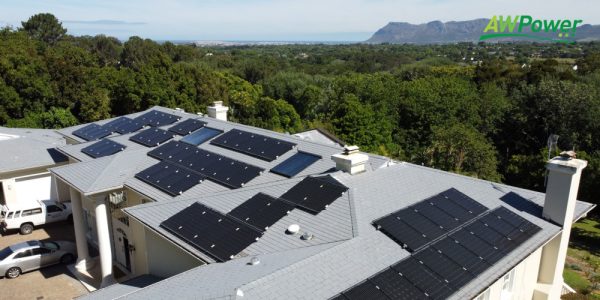
Even with an energy audit, Hattingh said many households realised they could not afford a system capable of supporting most of their needs.
That is why households often decide to take a phased approach, which comes with its own pitfalls.
“If you want to go the phased approach, you need to make sure you phase it correctly,” Hattingh cautioned.
Hattingh said customers needed to realise that expanding a system over time was not always a simple matter.
He recommended that people double-check with their chosen system designer and installer on the prospects for future upgrades.
For example, some people made the mistake of installing a smaller solar panel array with insufficient output, with the intention of expanding it later.
But doing so could require a technical reassessment and cause incompatibility problems, as PV solar panel manufacturers often discontinue their products.
For this reason, Hattingh said it would be better to under-spec other parts of the system, like the battery, which can be upgraded more easily.
What about qualifications?
No matter the size of the system you choose, it is essential that you use qualified professionals to install and sign off on it, Hattingh emphasised.
This is not only necessary to ensure the system can operate safely but is required under municipal laws and for insurance.
Firstly, the system must be installed by a qualified electrician registered with the departments of energy and labour.
The Electrical Conformance Board of South Africa manages one database to check whether an electrician is qualified.
Secondly, a professional electrical engineer (Pr Eng) must sign off on the work, which requires registration with the Engineering Council of South Africa.
Your system must also be registered with the municipality or local authority, which can either be done by yourself, provided you know your way around the paperwork, or with the installer’s help.
The exact requirements for approval might vary from one authority to the next. For example, the City of Cape Town has a specified list of approved inverters.
Hattingh added that having a legally-cleared system assures that your expensive investment is covered by insurance if it suffers damage from a surge, fire, or storm.
Warranties on solar equipment are also subject to the correct installation procedures being followed, which include using the right cables and installing sufficient surge protection.
While not required in most municipalities, getting a structural engineer to validate the roof’s integrity for carrying the weight of the panels might also be advisable.
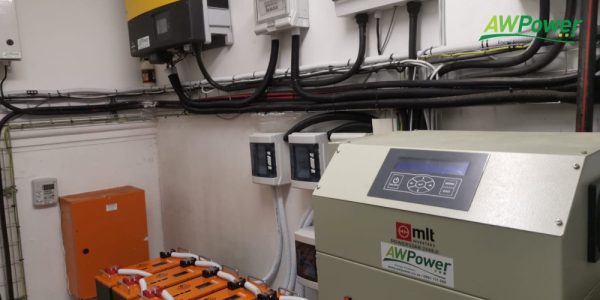
Another factor you might need to consider is the likelihood of your system getting struck by lightning.
Hattingh said that in the Western Cape, lightning was a rarity, which meant installing an arrestor alongside a solar system was generally unnecessary.
But lightning could prove a greater risk in the northern parts of the country.
Hattingh said many insurers don’t typically require a lightning arrestor but advised customers to make sure about the specific rules for their area when they add the system to their policy.
Failure to install one when the insurer requires it could lead to your claim being denied — a very costly mistake.
Hattingh added that hail damage was generally not a problem, as solar panels were designed with strong protection against physical strikes.
**This article first appeared on MyBroadband: https://mybroadband.co.za/news/energy/456885-what-you-should-know-before-installing-solar-power-at-your-home.html