
Over the past few years, more businesses have approached solar with the same mindset: “We know it makes sense, we just need to do it.”
That’s understandable. Electricity costs keep climbing, grid reliability remains uncertain, and solar has become far more accessible than it was a decade ago.
But the truth is, solar isn’t a single decision. It’s a business strategy and the outcome depends heavily on how well that strategy is thought-through upfront.
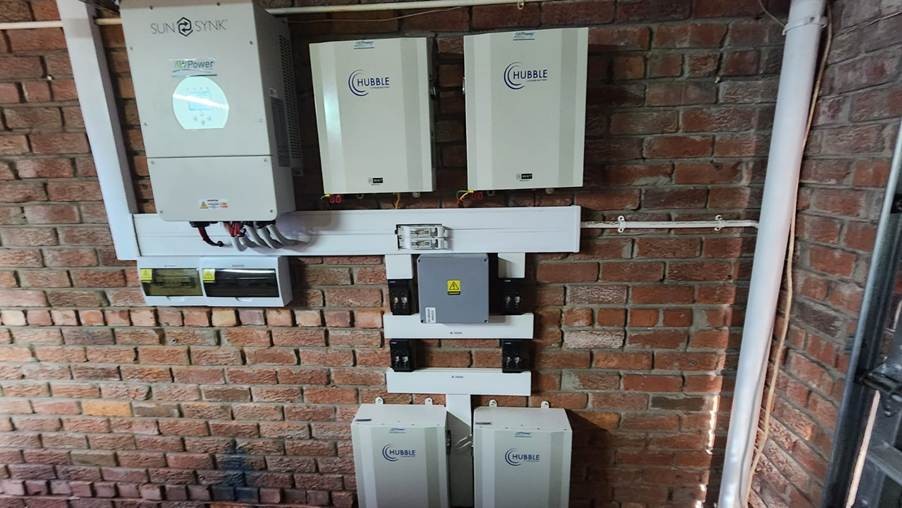
The first place to start isn’t panels or batteries. It’s understanding how your business actually uses electricity. When do you consume power? What are your peaks? Which loads are critical and which aren’t? Those answers determine whether a system delivers strong returns or quietly underperforms for years.
We spend a lot of time analysing consumption data because kilowatt-hours alone don’t tell the full story. Peak demand, time-of-use tariffs, and seasonal shifts all influence how a system should be sized and configured. A factory that runs during the day has very different needs from a business that peaks at night or over weekends.
Then there’s the site itself. Roof space, orientation, shading, and structural integrity all matter. Industrial roofs often need additional sign-off. Ground-mounted systems come with their own compliance considerations. These aren’t obstacles; they’re simply part of designing a system that lasts.
One of the most common misconceptions I see is that solar systems fall into neat categories: off-grid, grid-tied, or hybrid and you just pick one. In reality, most businesses land somewhere in between.
Off-grid systems require careful planning and higher capital investment. Grid-tied systems work well where outages are limited and savings are the priority. Hybrid systems offer flexibility, but only when batteries are sized and managed correctly. The “best” system depends entirely on your operating realities.

Budget also plays a bigger role than many realise. Whether you self-finance, use bank funding, or explore a PPA – this all changes the way a system should be structured. Financing is more than affordability; it influences system size, component choices, and long-term scalability.
Regulatory compliance is another area that’s often underestimated. Systems must be registered correctly, signed off professionally, and aligned with municipal or Eskom requirements. Cutting corners here creates risk – not only from a compliance perspective, but also with insurers.
Finally, solar doesn’t stop at commissioning. Systems need ongoing maintenance, seasonal adjustments, and monitoring to ensure they keep delivering the savings they promised. The best-performing installations we see are the ones that are actively managed, not ignored.
Solar works but only when it’s treated like the long-term asset it is.