Over the past few months, we’ve noticed an uptick in a common concern from clients who’ve invested in backup batteries – especially those paired with solar systems.
With South Africa experiencing a lull in loadshedding, many households and businesses are keeping their batteries topped up, believing this preserves their lifespan.
The reality is this: keeping a lithium-ion battery at 100% state-of-charge for long periods without cycling it can actually do more harm than good.
It’s time we rethink how we manage our energy storage – not just for optimal performance today, but for the health of the system over the years to come.
The Misconception: “I’m Protecting My Battery”
This idea likely stems from outdated habits carried over from older technologies like lead-acid and gel batteries, which typically only allowed a 50% depth of discharge (DoD). In those systems, discharging too deeply meant killing the battery faster.
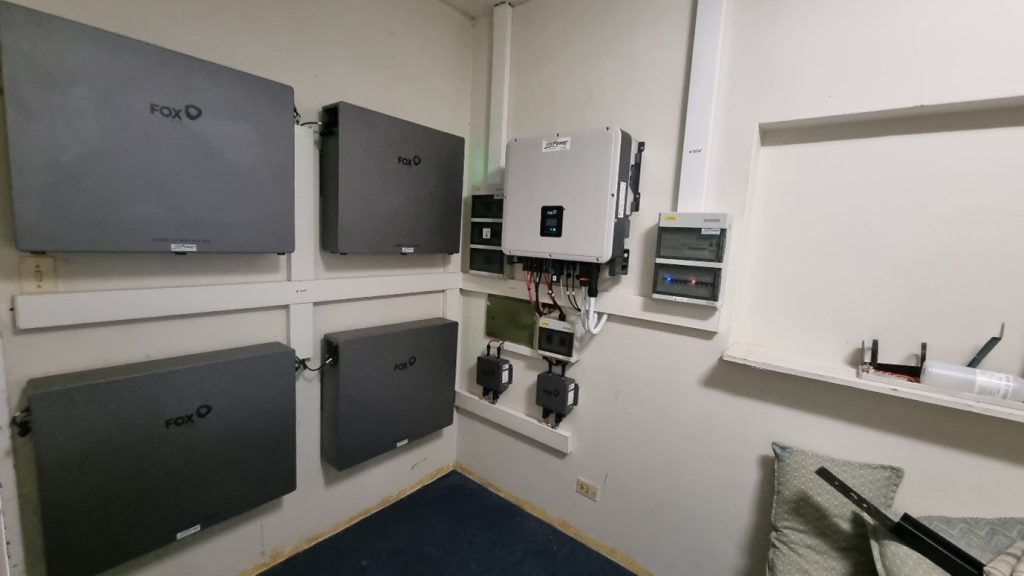
But lithium-ion batteries are built differently. Most modern lithium batteries – especially the high-end ones like the Fox ESS or Tesla Powerwall – can comfortably handle 80–100% discharge cycles. They’re designed to be used, not just stored.
Still, many users are hesitant. We hear it all the time: “I don’t want to put mileage on my battery.” But the truth is, batteries, like engines, are meant to run. And not running them properly? That’s a problem in itself.
Why Cycling is Crucial
Here’s what’s happening inside the battery: if lithium-ion cells are kept at maximum voltage continuously, the battery management system (BMS) can start losing calibration. That means your battery may show a full charge even when it’s not, or worse, cut out early because it’s reading the charge level incorrectly.
This throws off your energy management, leads to frustration, and, over time, can contribute to unnecessary degradation.
Our recommendation? Even if you don’t need to rely on the battery because the grid is stable, cycle it slightly. Discharge and recharge by 2–5% every few days. It’s a small act that keeps the cells healthy and the BMS happy.

Not Sure How to Do That?
If your battery is integrated into a home energy system, you can configure your inverter to automatically draw small amounts of power from the battery daily, even when solar or grid energy is available.
Don’t know how to set that up? Speak to a qualified electrician or contact our team at AWPower, or even better, subscribe to an AWPower Solar Maintenance & Support Agreement where this service will be included. It’s a simple tweak that makes a world of difference.
For standalone units, like portable backup systems or power trolleys, plug in a small load for a few minutes a day. Think a fan, a lamp, or your Wi-Fi router. It’s about gentle, regular exercise for your energy storage.
Storing Batteries? Do this First
Another area where we see battery misuse is in long-term storage. If you’re packing your system away because you think loadshedding is behind us (wishful thinking, perhaps), avoid storing it at full charge.
The optimal storage range for lithium-ion batteries is between 50% and 60%. This prevents stress on the cells and reduces the risk of over-discharge from self-drain over time.
Pro tip: If you’re storing the battery for several months, recharge it to full every 3–6 months, then discharge it to 50–60% before storing it again.

Lithium-Ion = Low Maintenance, Not No Maintenance
We love lithium-ion for its efficiency, long lifespan, and smart features, but it’s not “set it and forget it.” Treat it like the sophisticated piece of engineering it is.
At AWPower, we’ve spent years designing systems that do more than just keep the lights on. Our goal is to give clients sustainable energy solutions that last for the long haul.
Battery performance isn’t just about specs on a box – it’s about how you use and maintain them. A little bit of knowledge and a few small habits can give your investment a significantly longer and healthier life.
Final Thoughts
Lithium-Ion = Low Maintenance, Not No Maintenance
If you’ve made the leap to solar or backup power, well done, you’re ahead of the curve. But don’t let that investment go to waste by neglecting the basics.
Not sure if your system is running optimally? Our team is here to help, from audits and maintenance to long-term system support. Your battery is the heartbeat of your backup power. Let’s keep it healthy.
Want to know more about protecting your solar investment? Let’s talk
Here’s what our customers are saying